Transit Systems NSW unveils bespoke double decker bus featuring commissioned Aboriginal artwork as a symbol of unity and reconciliation
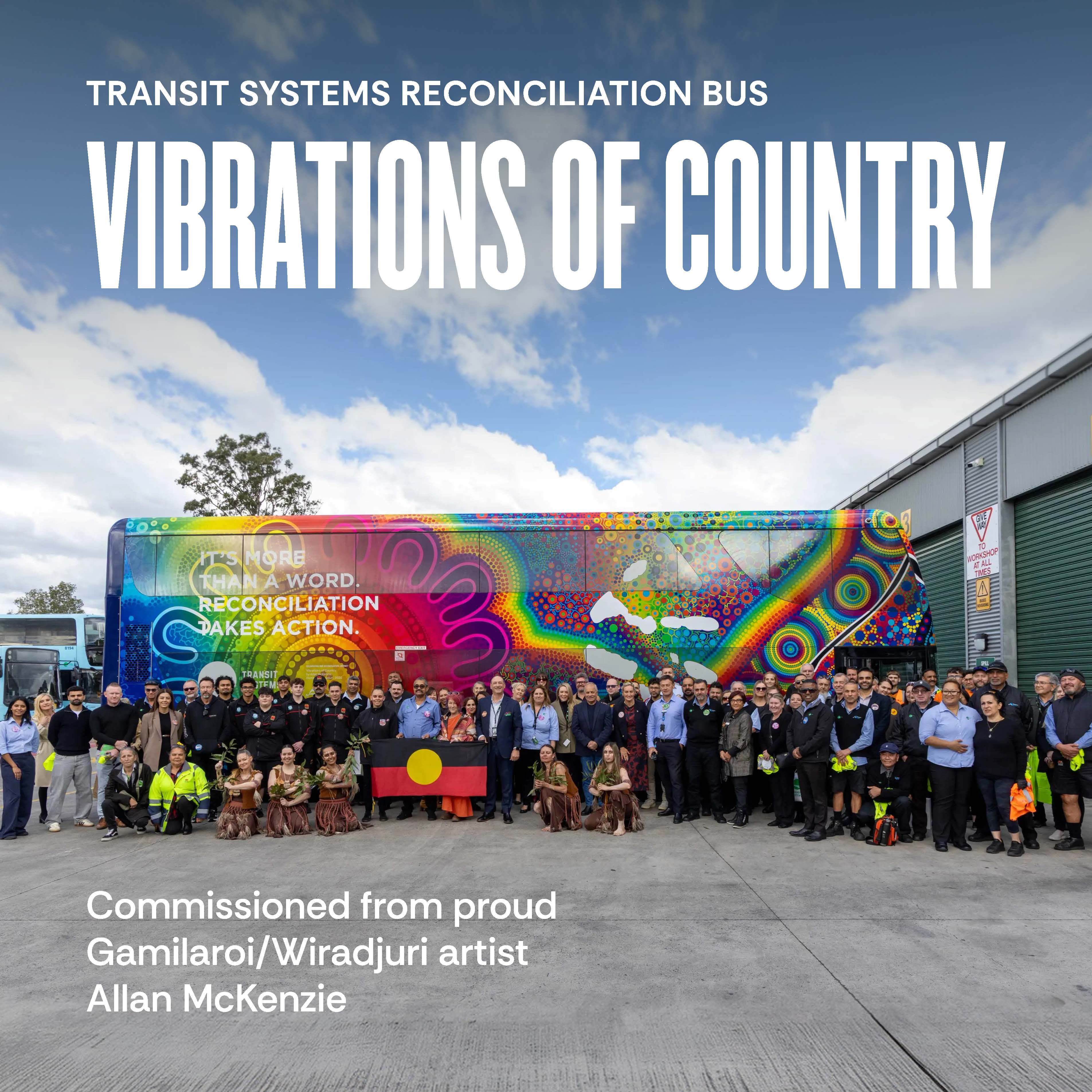
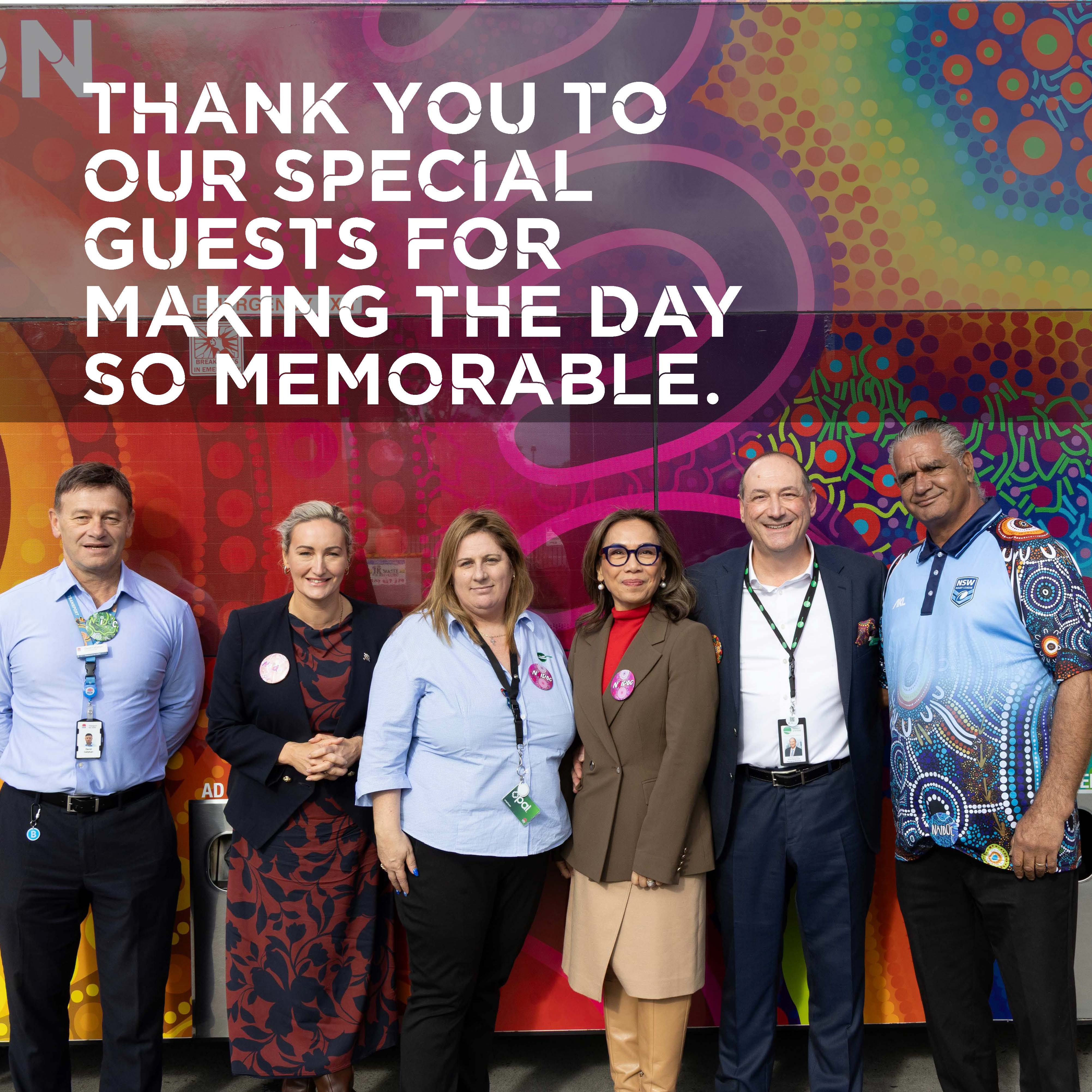
On Friday 3 July, Transit Systems NSW marked NAIDOC Week with a special event at its Smithfield Depot, bringing together drivers, staff, students and community members to celebrate the national theme, 50 Years of Deadly.
The centrepiece of the day was the unveiling of Transit Systems NSW's Reconciliation Double Decker Bus, a one-of-a-kind vehicle featuring original artwork, Vibrations of Country, commissioned exclusively from proud Gamilaroi/Wiradjuri artist Allan McKenzie. From today, the bus will travel the streets of Western Sydney as a rolling symbol of unity, reconciliation and respect for the First Nations culture.
“Public transport is at its best when it reflects and celebrates the communities it serves, and today Transit Systems NSW has done exactly that,” said Dr Marjorie O’Neill, Parliamentary Secretary for Transport.
“The Reconciliation Bus is a powerful and visible reminder that our transport network belongs to all Australians including the First Nations people on whose Country these buses travel every day. I congratulate Transit Systems NSW on this meaningful initiative and on bringing together such a wonderful celebration of culture, community and reconciliation for NAIDOC Week.”
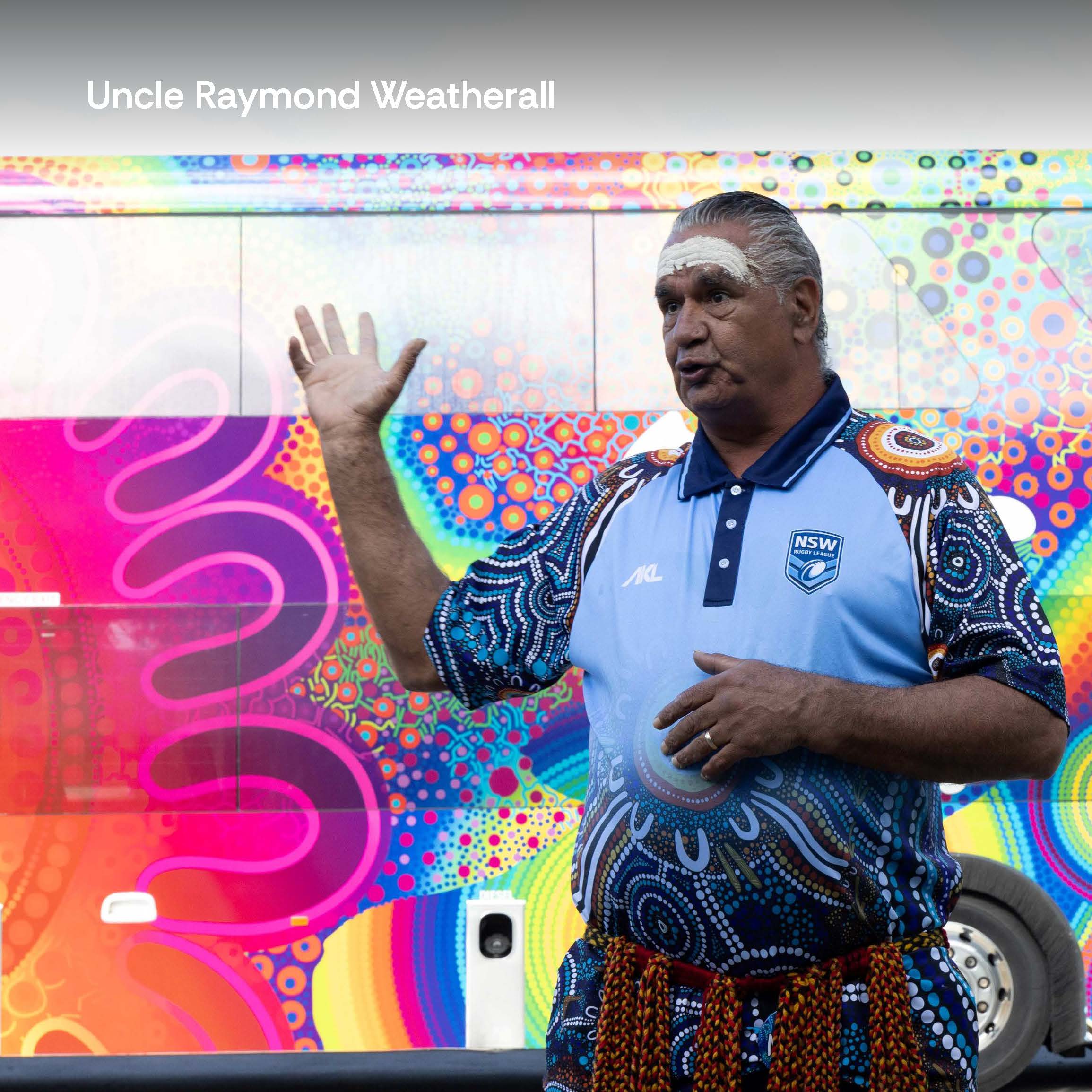
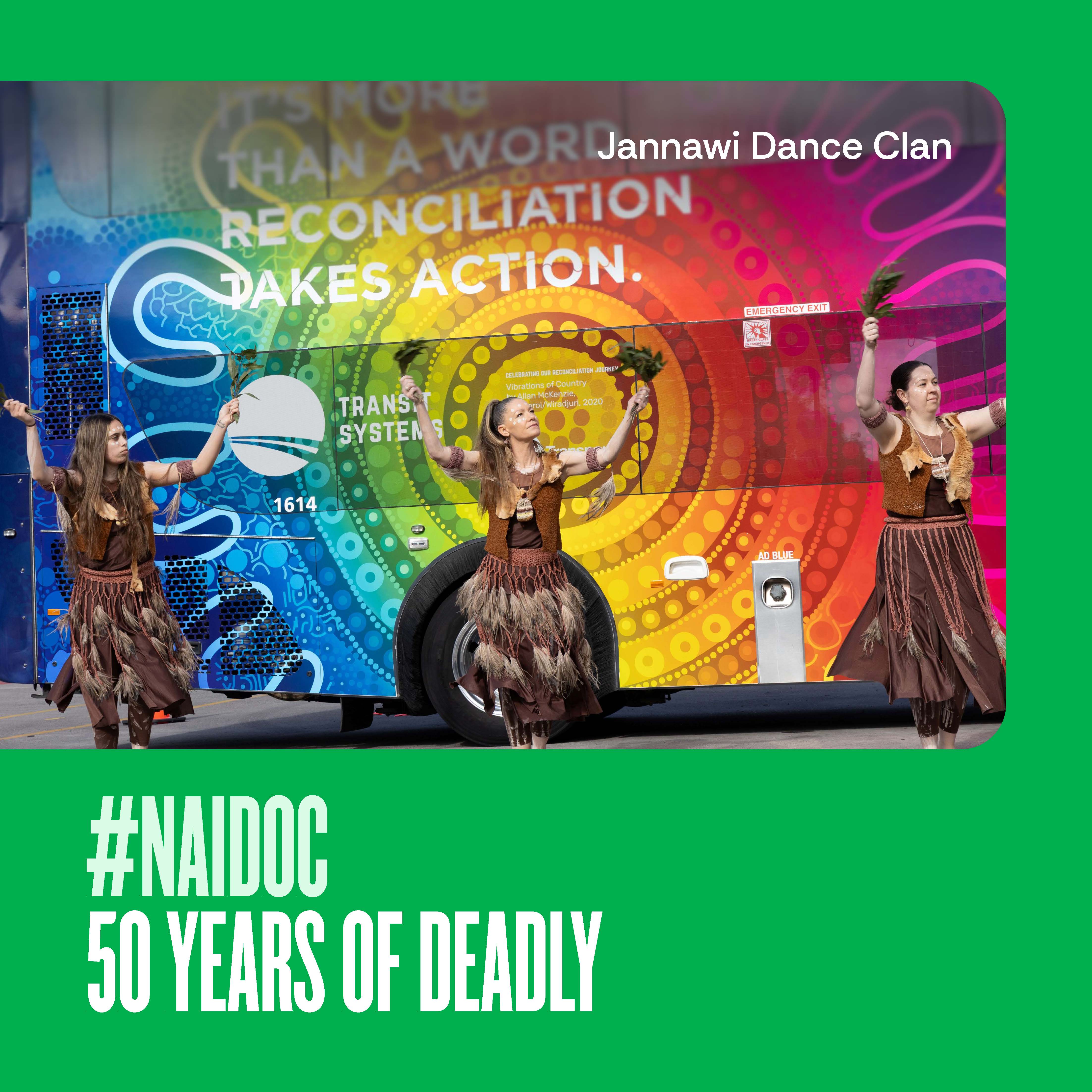
The event began with a Welcome to Country and smoking ceremony led by Uncle Raymond Weatherall, followed by a performance by the nationally and internationally acclaimed Jannawi Dance Clan led by Artistic Director Peta Strachan, a descendant of the Darug people of the Boorooberongal clan.
“NAIDOC Week is one of the most important weeks in our calendar, and this year we wanted to do more than observe, we wanted to celebrate,” said Rino Matarazzo, Managing Director of Transit Systems NSW.
“The Reconciliation Bus is a genuine expression of who we are and who we aspire to be as an organisation. Allan McKenzie’s artwork, Vibrations of Country, speaks to something profound about connection to the land, and we are proud to carry it across Sydney every day.
“We are deeply grateful to Uncle Raymond Weatherall, the Jannawi Dance Clan, the Clontarf Foundation, and all of the community who joined us today. This is what reconciliation looks like in action and we are incredibly proud to also welcome four new Indigenous apprentices to Transit Systems NSW.”
Young people from the Clontarf Foundation joined the celebration as active participants in the day's activities, embodying the event's spirit of community, connection and future focused reconciliation. A communal artwork canvas was also made available for all attendees to add their mark as a collective expression of solidarity.
About the artwork: Allan McKenzie is a proud Gamilaroi/Wiradjuri artist and artefact maker known for his distinctive use of traditional dot work blended with bold, contemporary colour. His work tells stories of identity, family, Country and the enduring strength of First Nations peoples. Vibrations of Country was commissioned by Transit Systems NSW to honour that tradition and bring it into the everyday lives of Sydneysiders.
About Jannawi Dance Clan: Jannawi Dance Clan is a Sydney-based Indigenous dance company encompassing modern urban and traditional Aboriginal dance styles, with original music by Jannawi Song Women and Song Man Matthew Doyle performing in Sydney languages. Founded in 2008 by Artistic Director Peta Strachan, Jannawi has performed at major national and international events including the Byron Bay Bluesfest, the Glasgow Commonwealth Games, WOMAD New Zealand, and the Sydney Opera House. The company has also performed at the International Film Festival in Goa, India in late 2024. Jannawi is dedicated to the revitalisation and continuation of Sydney's language, culture and stories, working across community, corporate, festival and educational settings.
About the Clontarf Foundation: The Clontarf Foundation exists to improve the education, discipline, life skills, self-esteem and employment prospects of young Aboriginal and Torres Strait Islander men.